Northern Lights: Where to See Them in Luxury
15 min read
The northern lights are the one thing in travel that nobody can promise you. What can be arranged is your position: the number of nights you spend under the auroral oval, the odds that the sky above you is clear, and how quickly you can move when it is not.
This guide covers the places where those three things line up, from the Norwegian coast to the interior of Alaska, and the properties we could book in each. It also covers the two decisions most aurora itineraries get wrong, which are the number of nights and the phase of the moon.
When to Go, and Why the Season Is Shorter Than It Looks
The aurora season runs from late September to late March. The lights are there in June as well, and the midnight sun makes them invisible, so what you are buying is darkness.
Late September and March are the strongest weeks of the season. Geomagnetic activity is statistically higher around the equinoxes, and both months give you more usable daytime than midwinter does.
September brings open water and unfrozen lakes for reflections, with temperatures near freezing rather than well below it. March brings deep snow cover, light until late afternoon and long enough days for ski touring.
December and January are the darkest and the coldest. In Tromsø the sun stays below the horizon between late November and mid January, so the viewing window opens in the early afternoon. It also means minus twenty inland, and clothing that has to be right rather than adequate.
Check the moon before you fix the dates. A full moon will not stop a major display, but it does wash out the faint green arc that makes up most of what you see on an average night.
Most activity falls between nine in the evening and one in the morning, around magnetic midnight. Plan the evening around those hours. The lodges that take this seriously serve dinner early for exactly that reason.
One further piece of timing sits above all of it. The sun runs on a cycle of roughly eleven years, and the most recent maximum fell across 2024 and 2025. The seasons immediately following a maximum have historically produced the strongest geomagnetic storms, which is an argument for travelling now rather than in 2030.
What Decides Whether You See Them
Four variables, and only one of them is the sun.
Latitude comes first. The aurora forms in a ring around the magnetic pole, roughly between 65 and 72 degrees. Tromsø sits at 69.6, Abisko at 68.3, Rovaniemi at 66.5, Fairbanks at 64.8 and Reykjavík at 64.1. Inside the ring, quiet-night activity passes directly overhead and you need no storm at all. Outside it, you are waiting for the ring to expand far enough south to reach you.
That produces one counterintuitive result worth knowing. A major storm pushes the oval towards the equator, so on the most active nights of the year Svalbard at 78 degrees can find the display sitting to the south of it. Further north is not automatically better.
The cloud cover decides more trips than solar activity does. The Norwegian coast is warmed by the Atlantic, which keeps it mild and keeps it overcast. Forty kilometres inland the air is drier and the sky is clearer, and the temperature falls accordingly. The best statistics in Europe belong to Abisko, in the rain shadow of the Scandinavian mountains beside Lake Torneträsk.
Ground light does the rest. A hotel on the edge of Tromsø or Reykjavík will show you a strong display and lose you a moderate one, which is why we base clients in a fjord, a valley or a forest with nothing else in it.
Then there is duration. Two nights is a raffle ticket. Four gives you a real chance in most of these places, and five to seven makes a blank week unlikely. If the lights are the reason for the trip, build the itinerary around dark-sky nights and treat the daytime as the flexible part.
Northern Norway
Norway is the easiest Arctic to reach and the hardest to predict. Tromsø has seasonal direct flights from London in winter and connections through Oslo all year, so a long weekend is genuinely possible here in a way it is not in Greenland. The price of that convenience is cloud, which is why we tend to put clients on the fjord or inland rather than in the city.
Lyngen Lodge
Eight rooms on the Lyngen fjord, ninety minutes from Tromsø by road and considerably better by boat. It faces the Lyngen Alps across the water, and aurora reflected off a fjord is the reason to be here instead of on a hill behind the airport. Ask for a room on the water side. The lodge runs its own boat, which puts humpbacks and orca within reach in November and December when the herring come into the fjords, and it opens up ski touring straight off the deck in March.
Sorrisniva Arctic Wilderness Lodge, Alta
Alta is inland Finnmark, colder and drier than the coast. It has been a serious aurora address since 1899, when the first permanent northern lights observatory in the world was built on Haldde mountain above the town. The lodge sits on the bank of the Alta River with full-height glass over the water and a sauna facing north. Sorrisniva’s ice hotel is rebuilt next door every winter: one night in it is a good idea, and two are not.
Svalbard, and Aurora in the Middle of the Day
Longyearbyen sits at 78 degrees north, and from mid November to late January the sun does not rise at all. Aurora appears there at lunchtime, over a snowbound settlement with no daylight to compete with it, which is something nowhere else on this page can offer. The trade-off is the one described above: at this latitude the ring often sits south of you, so sightings are less frequent than in Lapland.
Funken Lodge, on the hillside above town, is the comfortable base. Isfjord Radio Adventure Hotel is the more interesting one, a former radio station at Kapp Linné reached by snowmobile or boat, with a small number of rooms and no road to it. Outside the settlement an armed guide is a legal requirement because of polar bears, and Svalbard charges a per-visitor environmental fee set by the authorities, which we confirm at the current amount when we quote.
Swedish Lapland

Sweden is the dry-sky option. The mountains along the Norwegian border strip the Atlantic weather out of the air, and what reaches the Swedish side is cold, still and clear far more often than the coast is. Kiruna is the airport, ninety minutes from Stockholm.
Niehku Mountain Villa, Riksgränsen
A converted railway roundhouse at the end of the Ofoten line, on the Norwegian border at 68.4 degrees north, with fourteen rooms and a wine cellar that has no business being this far from a city. Abisko is forty minutes down the road, and on an overcast night that matters: you can drive east and come out from under the weather. Spring brings heli-skiing off the peaks behind the villa.
Treehotel and Arctic Bath, Harads
Harads is an hour from Luleå at 66 degrees, further south than the rest of this section, so the aurora here asks more of the sun. Both properties earn the detour anyway. At Treehotel, the 7th Room is the one to book, high in the pines with a netted terrace strung between the trunks and a bed you can watch the sky from. Arctic Bath floats on the Lule River through summer and freezes into it for winter, built as a ring around an open-air cold bath.
Finnish Lapland
Finland is the practical choice for families, and the origin of most of the glass-roofed photographs that sell this trip in the first place. Snow is dependable from December, the cold is dry rather than raw, and Helsinki connects to Rovaniemi, Kittilä and Ivalo in under ninety minutes.
Octola Private Wilderness
Ten suites on a private estate of some three hundred hectares outside Rovaniemi, taken as a whole house with its own guides, chef and vehicles. The case for exclusive use on an aurora trip comes down to timing. When the cloud breaks at half past eleven, the wake-up call goes to your party and nobody else, and the kitchen is still yours. For a family group, or two couples travelling together, this is the Finnish property we book most.
Wilderness Hotel Nellim, Lake Inari
Nellim stands at 68.8 degrees on the eastern shore of Lake Inari, in country with almost nothing in it. Accommodation runs from log cabins to glass-roofed rooms at the water’s edge, and the honest position on glass roofs is this: they let you watch from bed, and they also frost over, hold light and give you one slice of the sky. Book one for the children and dress properly for the good nights.
Iceland
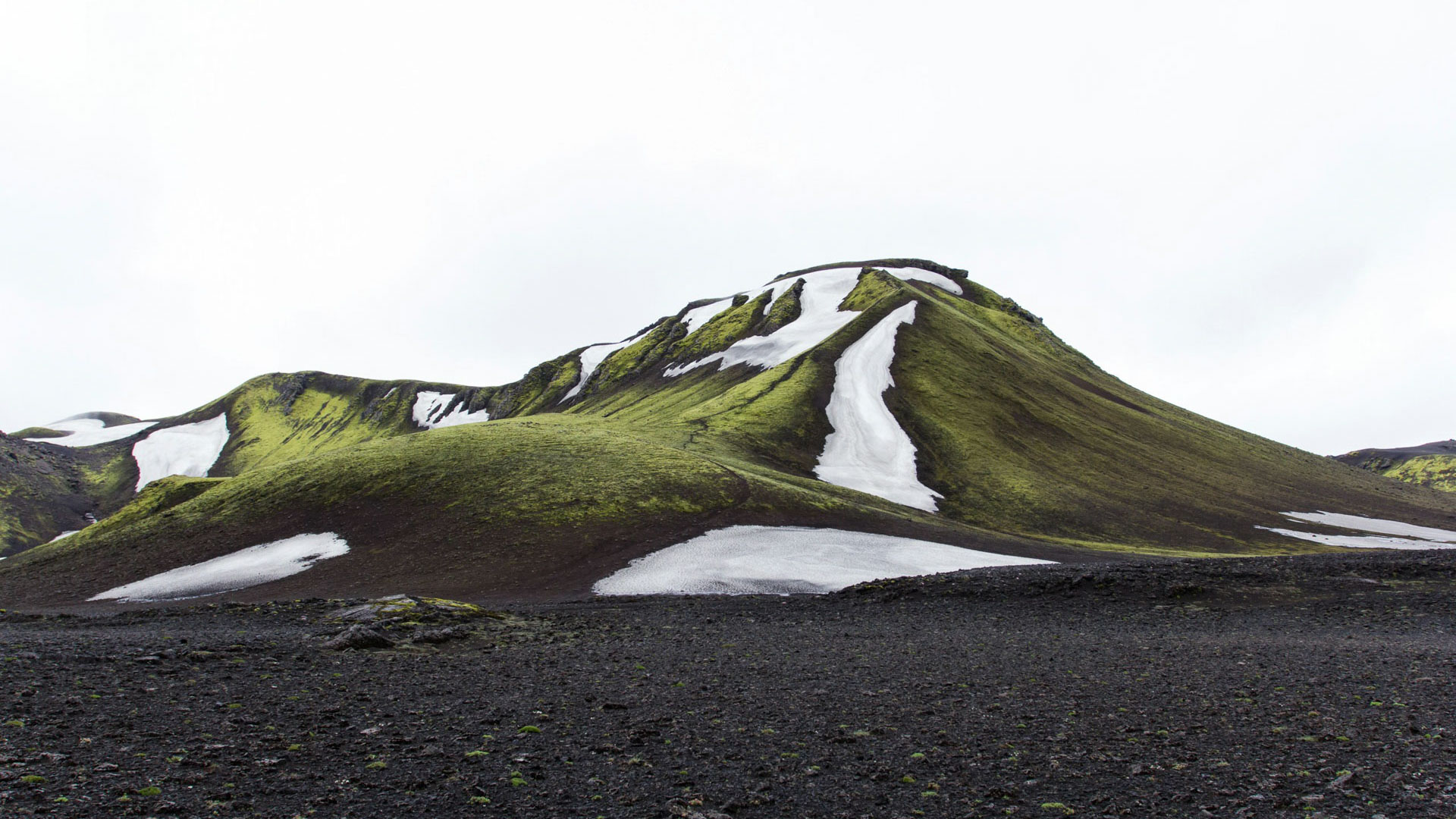
Iceland’s aurora reputation rests on how easy it is to reach, at three hours from London with a hotel within an hour of the airport. At 64 degrees it sits on the southern lip of the oval, so it asks more of the sun than Tromsø, and Atlantic weather crosses it faster than anywhere else here. What Iceland returns is the strongest daytime of any destination on this page.
Deplar Farm
A converted sheep farm in the Fljót valley on the Troll Peninsula, thirteen rooms, with a geothermal pool outside and heli-skiing from the lawn in spring. The north coast holds clearer weather than the south, and there is no settlement light in the valley at all. Service runs closer to a private house than a hotel, which is why groups take the whole property.
Hotel Rangá
Near Hella in the south, and the address to choose when seeing the lights is the only priority. It keeps two telescopes in a rooftop observatory and wakes guests when the sky clears, which is the single most useful thing an aurora hotel can do. Reykjavík makes a poor base by comparison: the city glow is real, and driving out of it eats the evening.
Greenland
Greenland has the clearest skies in the North Atlantic and the shortest supply of beds. It suits clients who want the aurora over ice and will accept accommodation that is good rather than grand.
Kangerlussuaq lies at the head of a fjord more than a hundred and fifty kilometres long, at the edge of the inland ice, and its air is about as dry and stable as the Arctic gets. The settlement exists because of the runway and looks like it. You come here for the sky.
Ilulissat is the one clients remember. Ilimanaq Lodge puts fifteen cabins across the water from the icefjord, a UNESCO site where the Sermeq Kujalleq glacier calves icebergs the size of office blocks. Green light above that is the photograph everyone wants.
Access has improved. Nuuk’s international runway opened in November 2024 and shortened the routing from Europe, with further capacity at Ilulissat following behind it. Greenlandic schedules change season by season, so we confirm routings at the point of quoting.
Alaska and the Canadian North
The continental interior trades weather for temperature. Away from any ocean the air is dry and the winter skies are clear a high proportion of the time, and the cost of that is cold, running to minus thirty. Fairbanks, at 64.8 degrees, sits under the oval on most nights of the season.
Borealis Basecamp
Forty minutes north of Fairbanks on a hundred acres of boreal forest, in fibreglass domes and cube cabins built around a curved window above the bed. Watching from under a duvet at minus thirty is a more serious argument in interior Alaska than it sounds. Nothing else is visible from the site.
Sheldon Chalet
Five bedrooms on a rock outcrop in the middle of the Ruth Glacier, inside Denali National Park, reached only by helicopter from Talkeetna and taken as a whole house. No road, no neighbouring building, no ground light, and granite walls on three sides of the amphitheatre. It is the most dramatic place on this page to stand outside at midnight.
Canada offers two answers.
Yellowknife has one of the highest sighting rates in North America and a hotel market that does not match it, so we build stays there around a fly-in lodge on a frozen lake or a chartered aircraft and a tightly focused window.
Churchill, on Hudson Bay, sits at only 58.8 degrees and works because magnetic latitude runs higher than geographic latitude across northern Canada. Seal River Heritage Lodge pairs aurora in late winter with polar bears in autumn, reached by light aircraft from Churchill after the flight north from Winnipeg.
How to Structure an Aurora Trip
Aurora itineraries fail for structural reasons far more often than astronomical ones. Three decisions fix most of it.
Split the week between two bases. The cloud cover is regional and can sit over one valley for four days. Pairing coastal Tromsø with inland Alta, or Riksgränsen with Abisko, or Fairbanks with Denali, means a weather system can only spoil half the trip. Seven nights taken as three and four beats seven in one place.
Fill the daylight properly. Viewing happens after dark, which leaves a few hours of blue twilight in midwinter and a good deal more in the shoulder months. Dog sledding, a day with a reindeer herding Sámi family in Finnmark, ski touring above the fjord, ice fishing on Lake Inari and whale watching out of Skjervøy all belong in that gap. Without them, an aurora week involves a lot of sitting in a lodge.
Take a private guide and vehicle for the nights themselves. Hotel coach tours run to twenty seats and a fixed departure time. A private guide reads the satellite cloud imagery at eight in the evening, decides whether to head inland or to the coast, and stops where you want to stop. Where scheduled flights would waste a morning, a private charter removes the connection.
Children change the arithmetic. Minimum ages for driving a snowmobile or a dog team vary between operators and countries, and a glass roof over the bed lets a five-year-old see the lights without standing outside at midnight. We check both against your children’s ages before proposing a lodge.
What Booking with Berkeley Adds
Almost every property here is an independent rather than part of an international group, so the value shows up in room-level detail. Which of two cabins at Nellim faces open water. Whether the glass at a given lodge sits over the bed or over the corner of the room. Which lodges run a wake-up service and which expect you to sit up until two. Our travel designers have stayed in these places, and that is where the questions come from.
Where partner relationships exist, they bring preferred rates, an upgrade subject to availability and recognition on arrival. The full list is on our trusted partners page.
Arctic logistics are where a trip is won or lost, and that work sits with our concierge team. We will take care of everything, from the charter into a camp airstrip and a guide held for five nights rather than one to thermal clothing sized and waiting in the room and transfers that have to run in the dark at minus twenty.
For an assistant or family office booking on someone’s behalf, the practical benefit is one contact and one document. Every flight, transfer, guide and reservation appears in a single itinerary, and any change comes back to you confirmed rather than pending.
Frequently Asked Questions
The northern lights attract more misinformation than anything else we sell, most of it about odds and timing. These are the questions our travel designers are asked most often.
Four at a minimum, and five to seven if the lights are the reason for the trip. Every additional night compounds the odds, because the limiting factor is almost always cloud rather than solar activity. Two-night stays produce most of the disappointed reviews you will read online.
Inland, in dry continental air: Abisko in Swedish Lapland, the Finnmark interior around Alta, Kangerlussuaq in Greenland and the forest north of Fairbanks. All four are colder than the coastal alternatives, which is the trade you are making. Tromsø and Reykjavík are easier to reach and cloudier, and both repay having a guide and a vehicle on hand.
Late September and March, for two reasons. Geomagnetic activity runs higher around the equinoxes, and both months are milder with far more usable daytime than midwinter. December and January give you the longest dark hours and the hardest conditions, and Svalbard’s polar night falls inside that window.
Yes, with a tripod. A camera at a few seconds of exposure records considerably more than the eye sees, and a recent phone in night mode does a creditable job braced against something solid. Lodges with photographic guides will set your camera up on the first evening. Expect the result to look greener than the sky did.
It is, with the right lodge. Glass-roofed rooms let children watch from bed instead of waiting outside at midnight, and Finnish Lapland has the widest choice of them. Age limits on husky driving, snowmobiles and ice fishing differ by operator and by country, so we confirm what each child can join before recommending a property.
Speak to a Travel Designer
The lodges on this page have between five and twenty-five rooms, and the best weeks of the aurora season are held a year out. Speak to a travel designer with your dates, and we will tell you which of these places gives you the best odds in that particular week.
More from the Journal


YOUR DEDICATED TRAVEL PARTNER
24
/
7
/
365
TAILORED SERVICES
TAILORED SERVICES
Our in-house concierge service will use their extensive contact list
to help you source anything you desire.
TAILORED SERVICES
Our in-house concierge service will use their extensive contact list
to help you source anything you desire.
BESPOKE itinerary
BESPOKE itinerary
We work hand in hand with clients to create your dream
itinerary ensuring every detail is looked after from start to finish.
BESPOKE itinerary
We work hand in hand with clients to create your dream
itinerary ensuring every detail is looked after from start to finish.
BESPOKE AIR
BESPOKE AIR
We have access to every major airline and an extensive knowledge of their pricing schedules helping our clients achieve highly competitive airfares in all cabins.
BESPOKE AIR
We have access to every major airline and an extensive knowledge of their pricing schedules helping our clients achieve highly competitive airfares in all cabins.
PRIVATE SKY
PRIVATE SKY
Working directly hand in hand with our brokers and
aircraft owners we can source the best deals and most convenient slots for Private Jet hire.
PRIVATE SKY
Working directly hand in hand with our brokers and
aircraft owners we can source the best deals and most convenient slots for Private Jet hire.
EXCLUSIVE BENEFITS
EXCLUSIVE BENEFITS
We have arranged with a number of our luxury partners some exclusive additional benefits. These can include complimentary daily breakfast, a hotel credit towards food or spa treatments,an upgrade on arrival where available, and early check in / late check out.
EXCLUSIVE BENEFITS
We have arranged with a number of our luxury partners some exclusive additional benefits. These can include complimentary daily breakfast, a hotel credit towards food or spa treatments,an upgrade on arrival where available, and early check in / late check out.
COST MANAGEMENT
COST MANAGEMENT
We provide access for our clients to the most cost effective and convenient travel means. Our long standing partnerships and in depth industry knowledge ensure that we source the best rates available on the market.
COST MANAGEMENT
We provide access for our clients to the most cost effective and convenient travel means. Our long standing partnerships and in depth industry knowledge ensure that we source the best rates available on the market.

London office suite