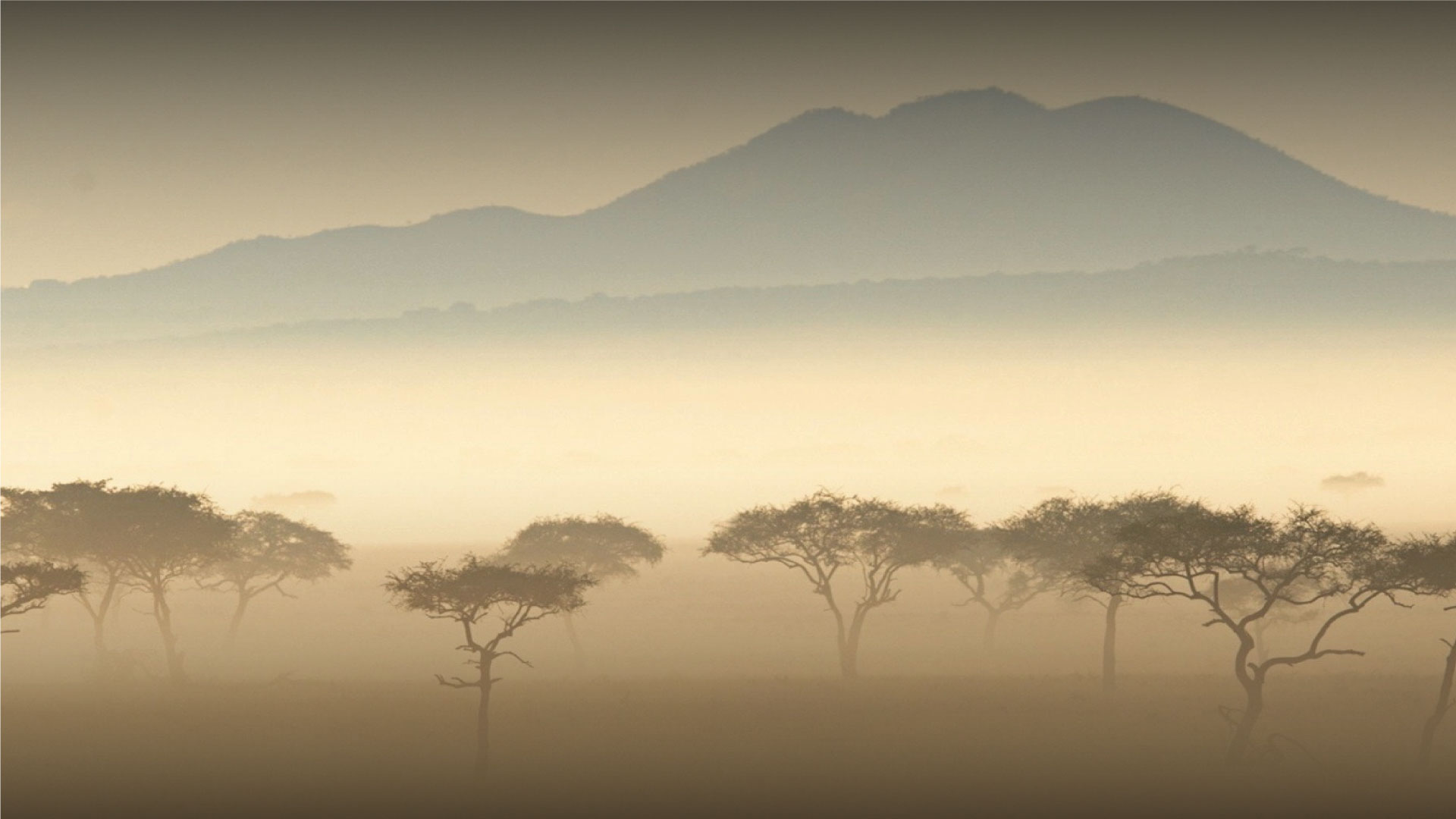
First-Time Safari Guide: What To Know Before You Go
A first safari involves more unfamiliar decisions than almost any other holiday. What to wear, what to tip, whether to take the tablets, what happens if it rains, and whether five o’clock in the morning is negotiable.
Reading Progress
Jump to a section:
10 min read
Berkeley Team
None of it is complicated once someone tells you. The trouble is that most of it goes untold until you are already there. This guide covers the practical side in the order you will need it.
When to Go: Understanding Safari Seasons
For a first safari, travel in the dry season. In southern Africa that is roughly May to October, and in East Africa the pattern differs by region. The reasoning is the same everywhere. As water dries up, animals concentrate around the sources that remain, and the vegetation thins so you can see them.
The dry season also brings the lowest malaria risk of the year in the regions where malaria exists at all, and the fewest insects generally.
Two things surprise people about winter in the bush. Mornings are genuinely cold, often close to freezing on an open vehicle before sunrise, and the landscape is brown rather than green. If you have pictured lush Africa, that is the green season.
The green season, roughly November to April in southern Africa, is the other case. The bush is thick, so sightings are harder won, but the light is dramatic, the migratory birds arrive, and most of the year’s young are born. Camps are quieter and vehicles are fewer. It suits a second or third safari more than a first.
Malaria, Vaccinations and Health
Malaria risk varies enormously by region and season, and a great deal of Africa’s best safari country has no risk at all.
Malaria-free options exist and are excellent. Several South African reserves, including the Waterberg, Madikwe, the Eastern Cape and the Kalahari, are malaria-free year round. This matters most for families with young children, and our guide to planning a family safari goes into how the age of your youngest traveller shapes the options.
Where risk exists, it is usually low and seasonal. The Kruger region, including the Sabi Sand, is classified as low risk, and lower still in the dry winter months.
Prophylaxis is a medical decision, not a travel one. Several options exist and the right one depends on your health, your other medication and how long you are travelling. See a travel clinic or your GP six to eight weeks before departure, which also gives time for any vaccination course to complete.
On vaccinations, the usual conversation covers routine boosters plus hepatitis A and typhoid. A yellow fever certificate is required for entry to some countries if you are arriving from, or have transited, a country where yellow fever is present. This catches people out on multi-country itineraries. Your travel designer will flag it, but confirm it with a travel clinic as well.
Practical precautions matter as much as tablets. Cover arms and ankles from dusk, use a repellent containing DEET, and sleep under the net the camp provides.
What to Pack
Colours. Khaki, olive, stone, brown. Avoid white, which shows every speck of dust within an hour. Avoid dark blue and black, which attract tsetse flies in the areas where they occur. Avoid camouflage entirely, which is restricted or illegal for civilians in a number of African countries.
Layers. A winter morning drive starts near freezing and the same day reaches the mid-twenties by lunch. Most camps provide blankets and hot water bottles on the vehicle. Bring a fleece, a hat and gloves for the early start, and strip down through the morning.
A soft bag. Light aircraft between camps take soft-sided bags with no rigid frame, typically limited to around twenty kilograms including hand luggage. Hard cases will not fit in the hold. Confirm your specific allowance before you pack, as it varies by aircraft.
Binoculars. The most underrated item on the list. Eight by forty-two is the usual recommendation for a good balance of magnification and steadiness. One pair per person, not one pair per couple.
Everything else. High-factor sunscreen, a wide-brimmed hat, insect repellent, any prescription medication in your hand luggage, a camera with more memory than you think you need, a universal adapter, and a torch. Camps generally provide laundry daily, so pack considerably less than instinct suggests.
What Actually Happens on a Game Drive
The rhythm is the same almost everywhere, and it is worth knowing before you arrive.
You are woken around half past five, often with coffee brought to the room. There is a quick breakfast, and the vehicle leaves at first light because that is when predators are still active. The drive runs three to four hours, with a stop somewhere scenic for coffee.
You return mid-morning to a large brunch. The middle of the day is yours, and it is deliberately empty. The animals are resting and so should you.
The afternoon drive leaves around four and runs until after dark, pausing at sunset for a drink somewhere with a view. In a private reserve the drive continues after dark with a spotlight, which is when the nocturnal animals appear. Dinner is usually around eight.
Two drives a day is the standard. It is not compulsory, and a good camp will happily send you out with a packed lunch instead of bringing you back for brunch if the morning is going well.
Tipping Etiquette
Tipping is expected on safari, and the structure is fairly consistent across southern and East Africa.
Your guide is tipped separately, and generously, because the guide makes or breaks the week. Where a tracker works alongside the guide, they are tipped separately again, usually at a somewhat lower rate.
General camp staff are tipped into a communal box, which is shared among the kitchen, housekeeping and back-of-house teams you never meet.
Bring cash. United States dollars are widely accepted for tips across the region, and small denominations are far more useful than large ones. Notes should be clean and undamaged, and in some countries older series notes are refused.
Getting There: Flights, Luggage and Transfers
Most safaris begin with an overnight flight into Johannesburg, Nairobi, Kilimanjaro or Maun, then a connection by light aircraft or road to camp.
The light-aircraft leg is the one to plan around. Beyond the soft-bag rule and the weight limit, these aircraft ask for passenger weights in advance so seats can be allocated, which is standard practice rather than an intrusion. Schedules are fixed and camps are remote, so a delayed international flight can cost you a night.
Build in a buffer. Where the connection is tight, we routinely add a night in the gateway city rather than risk the whole bush leg on a single connection. It is a small cost against a large one.
Where timings are genuinely awkward, or a family group is travelling together, a private charter removes the scheduled connection entirely and can fly directly into the camp airstrip.
Excess luggage can usually be stored at the gateway hotel or with the ground handler and returned at the end of the safari, which solves the problem of arriving from London with a full case and needing twenty kilograms for the bush.
Choosing the Right Lodge and Region
For a first safari, two regions do the job better than anywhere else.
The Sabi Sand, in South Africa, shares an unfenced boundary with Kruger and permits off-road driving, which is why its leopard sightings are what they are. It is also the easiest to combine with Cape Town, and our guide to luxury holidays in South Africa covers how that itinerary fits together. Singita Boulders is the straightforward first-timer’s choice.
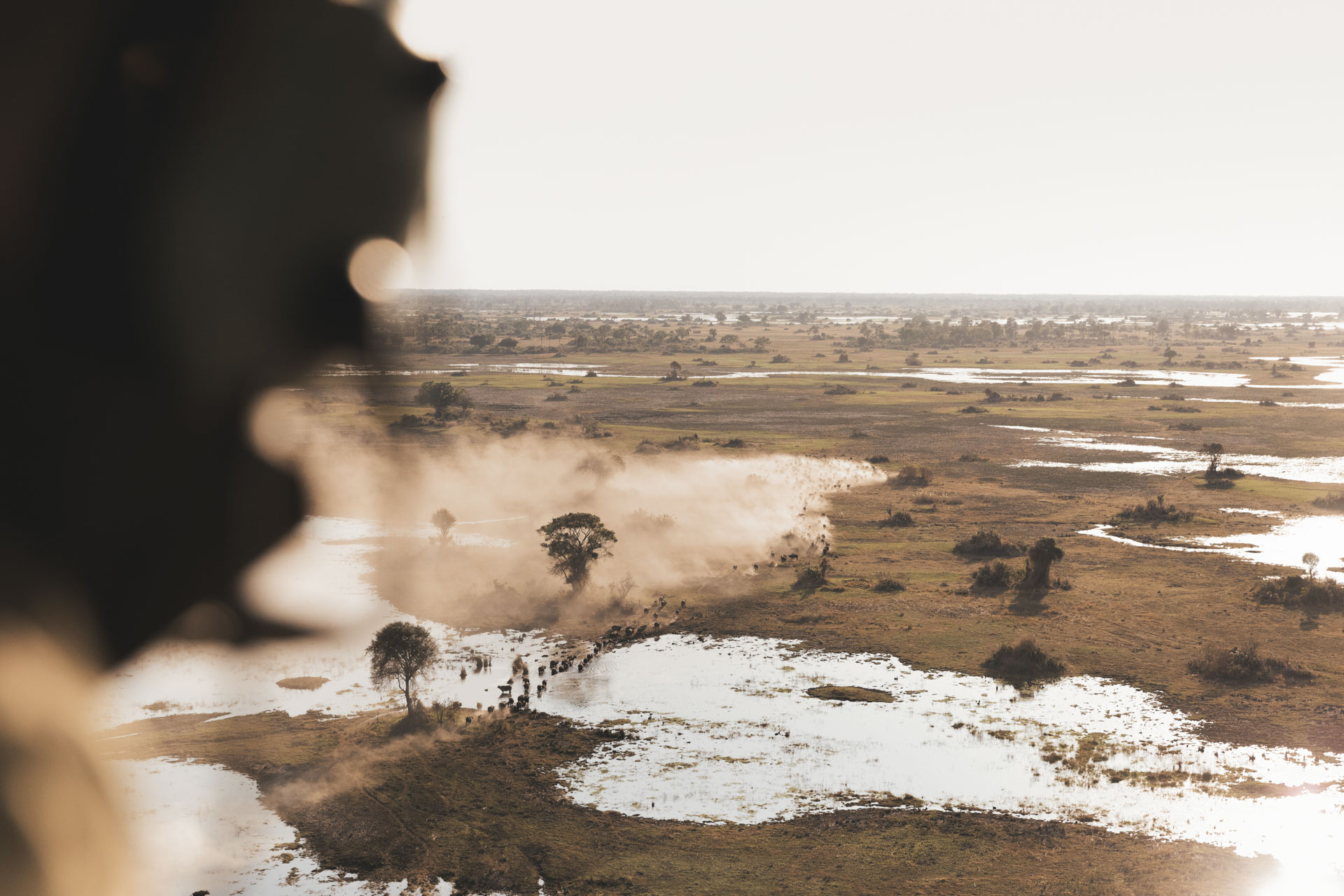
The Okavango Delta, in Botswana, offers water-based game viewing alongside conventional drives. Wilderness Mombo sits at the centre of it.
Beyond region, three questions matter more than the photographs on the website. How many rooms does the camp have, because six behaves differently from twenty. Is a private vehicle available, and at what point does it become worth taking. And what is the minimum age, since many camps set one for game drives.
Browse our full safari portfolio, or the wider Africa collection, for the properties we book most.
Safari Etiquette: The Unwritten Rules
Stay seated in the vehicle and keep your limbs inside it. Animals read the vehicle as a single large object and are entirely untroubled by it. A person standing up breaks that outline. This is the rule that matters most.
Keep your voice down and your phone silent. Sound travels further than you expect in still morning air.
No flash photography near animals, particularly at night.
Let the guide make the calls on how close is close enough. If a guide declines to move nearer, there is a reason, and it is usually about the animal rather than about you.
Accept the escort after dark. Camps are unfenced far more often than guests realise, and the staff member walking you back to your room is not a courtesy.
Do not feed anything, ever, including the monkeys that will make a persuasive case at breakfast.
Frequently Asked Questions
Yes, when you stay with a reputable operator and follow the guide’s instructions. Camps are staffed by professional guides, drives are led by people who have trained for years, and the rules exist because they work. The genuine risks on safari are more mundane than the imagined ones: sun, dehydration, and in some regions mosquitoes.
Four nights in one camp, or six to seven nights split between two. Three nights is the practical minimum, because it gives you six game drives, and if the weather turns you still have margin. Two nights is not enough to justify the journey.
On a shared vehicle you travel with other guests, up to around six, and sightings are decided by the group. A private vehicle is yours alone, so you set the pace, the priorities and the hours. If your trip is built around photography, or you are travelling with children, or you simply do not want to negotiate, it is the single most worthwhile upgrade available.
Usually some, and occasionally a yellow fever certificate depending on your route. The requirements depend on which countries you visit and which you transit, so they change with the itinerary rather than the destination. See a travel clinic six to eight weeks before departure, and we will confirm the entry requirements for your specific routing as part of the booking.
Speak to a Travel Designer
Speak to a travel designer to plan your first safari. Most of the decisions above are ones we make with clients every week, and none of them need to be made alone. Tell us who is travelling and roughly when, and the region, the camp and the routing will follow from there.
Related Posts

6 min read
Belmond Bellini Club: What It Is, What You Get and How to Book
Book a Belmond hotel, train or safari lodge through a Bellini Club agency and the stay comes with breakfast, a credit, an upgrade and recognition at the same rate as going direct. Our guide to the programme, the properties it covers and how Berkeley Travel books it.
5 min read
Four Seasons Resort Tangier: Morocco’s Next Great Address
Four Seasons has confirmed its fourth Moroccan property, a cliffside resort above the Strait of Gibraltar in Tangier’s Cap Malabata. Here is everything announced so far, what it signals about northern Morocco, and how Berkeley Travel’s Preferred Partner status will apply when it opens.
5 min read
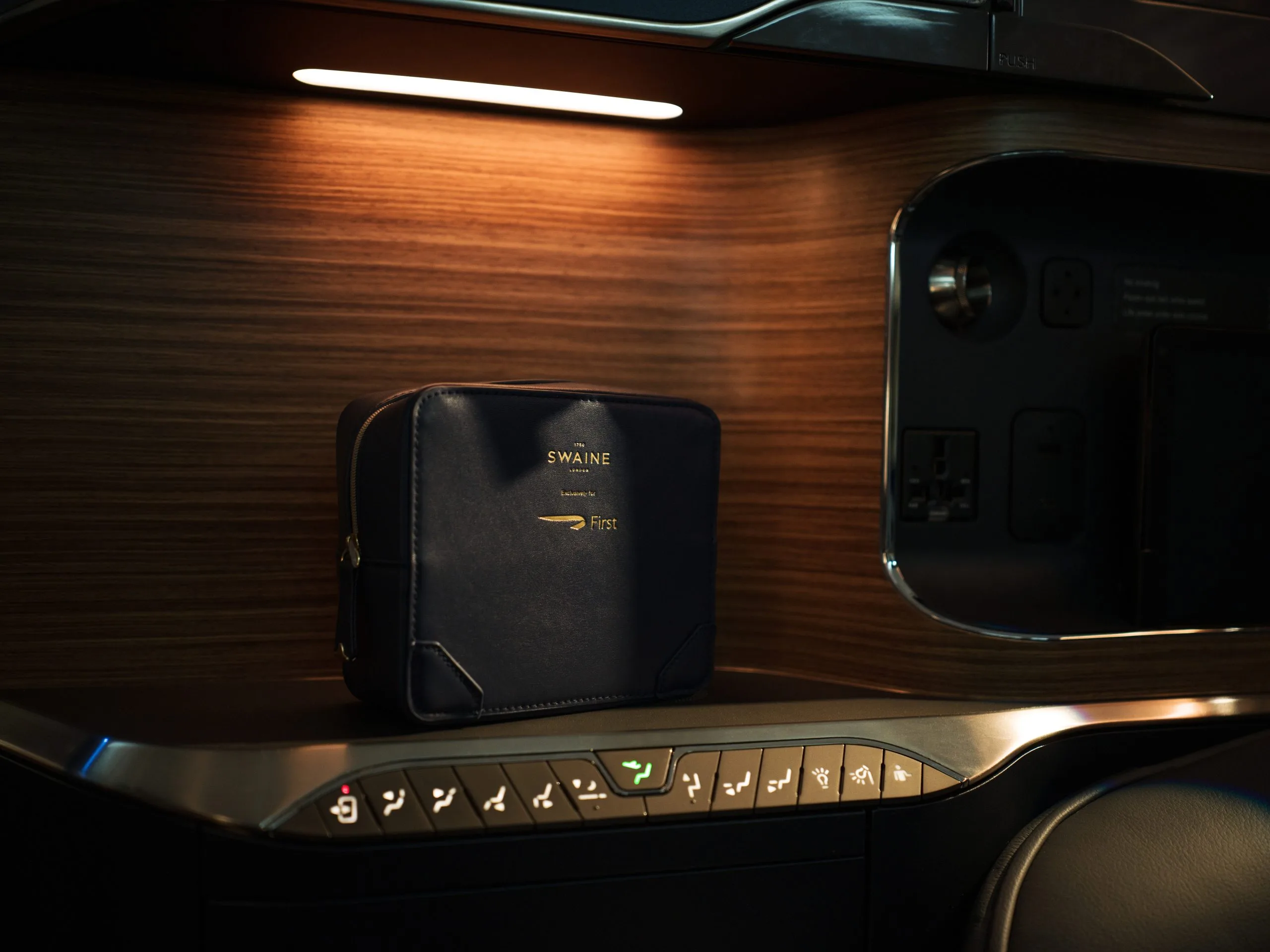
British Airways’ New A380: Nearly Half the Plane Is Now Premium
British Airways has revealed its refurbished A380, with new First suites, 106 Club Suites and a premium economy cabin a third larger. Our Travel Designers on what the most premium-heavy aircraft in the sky means for your next long-haul flight.
YOUR DEDICATED TRAVEL PARTNER
24
/
7
/
365
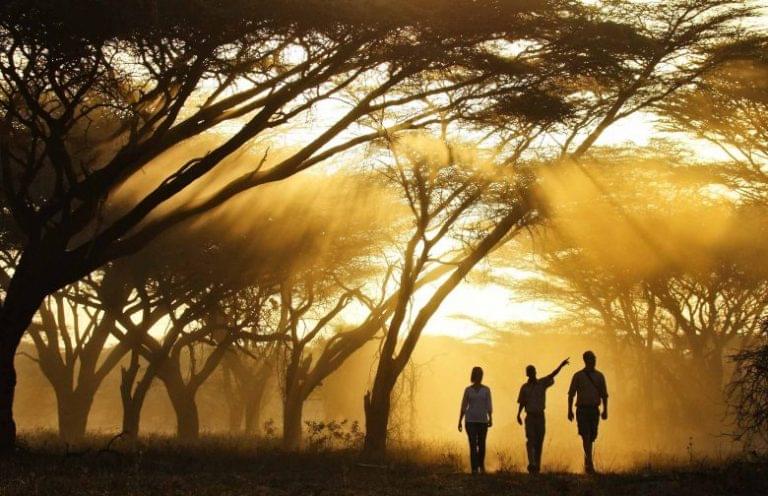
TAILORED SERVICES
TAILORED SERVICES
Our in-house concierge service will use their extensive contact list
to help you source anything you desire.
TAILORED SERVICES
Our in-house concierge service will use their extensive contact list
to help you source anything you desire.
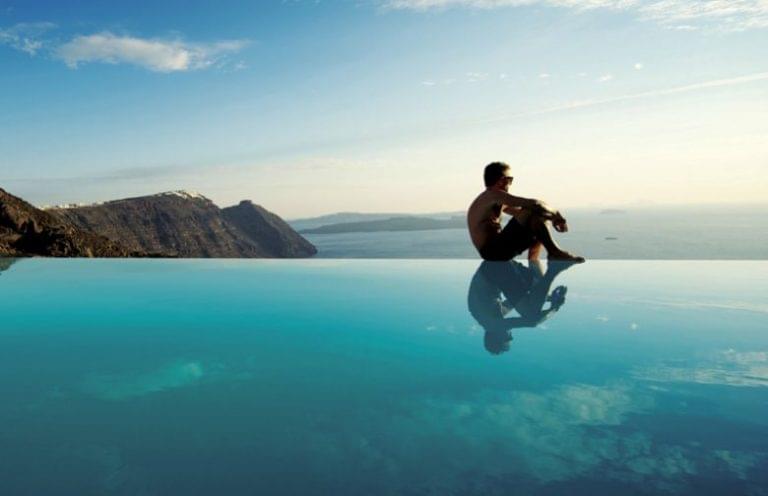
BESPOKE itinerary
BESPOKE itinerary
We work hand in hand with clients to create your dream
itinerary ensuring every detail is looked after from start to finish.
BESPOKE itinerary
We work hand in hand with clients to create your dream
itinerary ensuring every detail is looked after from start to finish.
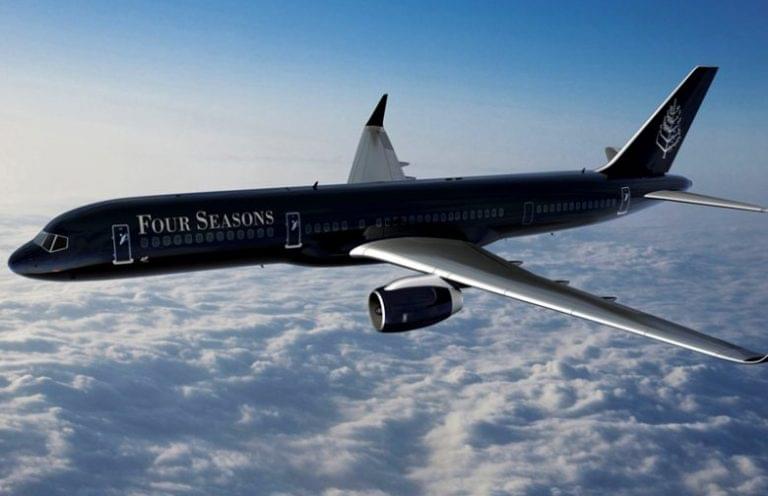
BESPOKE AIR
BESPOKE AIR
We have access to every major airline and an extensive knowledge of their pricing schedules helping our clients achieve highly competitive airfares in all cabins.
BESPOKE AIR
We have access to every major airline and an extensive knowledge of their pricing schedules helping our clients achieve highly competitive airfares in all cabins.
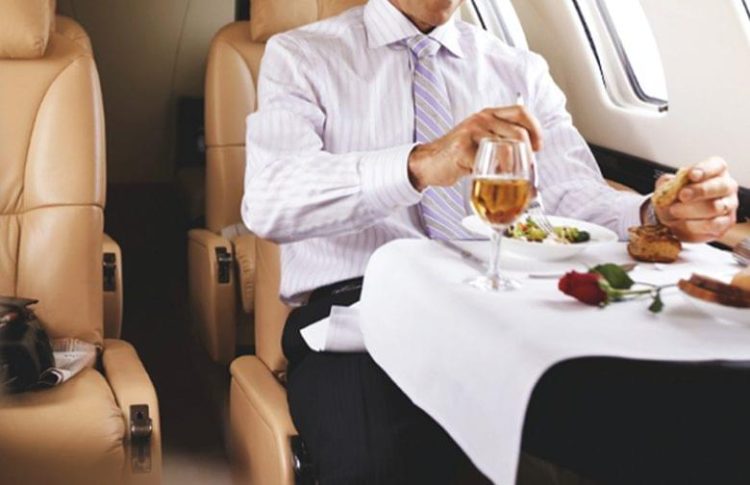
PRIVATE SKY
PRIVATE SKY
Working directly hand in hand with our brokers and
aircraft owners we can source the best deals and most convenient slots for Private Jet hire.
PRIVATE SKY
Working directly hand in hand with our brokers and
aircraft owners we can source the best deals and most convenient slots for Private Jet hire.
EXCLUSIVE BENEFITS
EXCLUSIVE BENEFITS
We have arranged with a number of our luxury partners some exclusive additional benefits. These can include complimentary daily breakfast, a hotel credit towards food or spa treatments,an upgrade on arrival where available, and early check in / late check out.
EXCLUSIVE BENEFITS
We have arranged with a number of our luxury partners some exclusive additional benefits. These can include complimentary daily breakfast, a hotel credit towards food or spa treatments,an upgrade on arrival where available, and early check in / late check out.
COST MANAGEMENT
COST MANAGEMENT
We provide access for our clients to the most cost effective and convenient travel means. Our long standing partnerships and in depth industry knowledge ensure that we source the best rates available on the market.
COST MANAGEMENT
We provide access for our clients to the most cost effective and convenient travel means. Our long standing partnerships and in depth industry knowledge ensure that we source the best rates available on the market.

London office suite